

Production FPV is different from the hobby drones doing tricks online. Our FPV rigs carry a real camera payload, follow a flight path rehearsed with the director, and deliver footage that cuts directly into a finished program. Xizmo Media flies FPV for film, television, and commercial productions across the tri-state area, part of the full range of aerial production services we run out of New York. We’ve built a reputation for choreographing a single continuous take: the same drone that dives at freefall speed through a stunt sequence can glide slowly through a doorway into a dressing room, all in one unbroken shot.
What Production FPV Cinematography Is
FPV stands for first-person view: the pilot wears a video headset and flies as though sitting in the cockpit, reacting frame by frame instead of guiding the drone from a fixed third-person monitor. That’s what makes the format useful on set. A standard aerial drone holds a wide, stable vantage point above the action. An FPV rig threads through it instead, banking around a stunt performer, dropping past a building ledge, or racing alongside a moving car at eye level. On a Xizmo Media shoot, the FPV pilot works from the same call sheet as the camera department: blocking rehearsed with the director, marks set with the cast, and the flight path locked before a take ever rolls.
Where a Choreographed FPV Shot Fits on a Shoot
Long Single-Take Shots
One FPV shot can replace five or six cuts: entering through a window, crossing a room, and exiting onto a rooftop without an edit. We previsualize the route with the director, walk it at half speed, then fly it live so the audience never sees where one setup would have ended.
High-Action Scenes
Car chases, fight choreography, and stunt falls move faster than a stabilized gimbal drone can track. Our FPV pilots fly alongside the action at the speed the story needs, matching a stunt driver’s turn or diving with a falling performer rather than watching from a fixed altitude above it.
Confined Spaces
Hallways, stairwells, backstage corridors, and theater wings are too tight for a full-size cinema drone. A smaller FPV frame carrying a GoPro-class payload can still hit high speed in open air but slow to a hover-level crawl indoors, which is how we shot the backstage sequence for Back to the Future on Broadway.
Payload Range: GoPro to ARRI Mini
Camera choice depends on what the shot needs to deliver. For pure speed and confined-space work, we fly a GoPro or similar action camera, light enough to hit full acceleration and squeeze through a doorway. When footage needs to intercut directly with ARRI or RED coverage from the ground unit, we step up to an ARRI Mini payload on a heavier FPV frame, trading some top speed for matching color science. Lens, ND filtration, and gimbal damping are set to match the production’s other cameras before we leave the ground, so the aerial shot cuts in without calling attention to itself.
Speed and Flight Capability
100 MPH
top acceleration in open air
Freefall
dive rate for stunt and fall sequences
GoPro–ARRI Mini
payload range flown
15+ Years
flying FPV for film, TV, and live sets
Flight characteristics scale down as fast as they scale up: the same airframe that hits full speed outdoors can throttle back to a slow, stable crawl for a scripted walk-and-talk or a pass through a doorway. Battery packs give us several minutes of flight time per take, enough for rehearsal passes at reduced speed before the take that actually makes the cut.
On-Set Choreography and Safety
Every FPV shot starts on paper before it starts in the air. We walk the route with the director and the stunt or safety coordinator, mark where cast and crew will be at each second of the flight, then rehearse the pass at half speed with a spotter watching the line. On a live broadcast set, that means coordinating with the same production team behind our live broadcast drone services, since an FPV pass often has to land inside the same rundown as switched camera feeds. All Xizmo Media pilots fly under FAA Part 107, and we carry the waivers and insurance a venue needs before FPV work is cleared for a stage, arena, or closed set. Indoor and theater flights, like the ones we’ve flown on Broadway, follow a separate safety plan built around the venue’s own fire marshal, not just FAA airspace rules.
FPV Credits
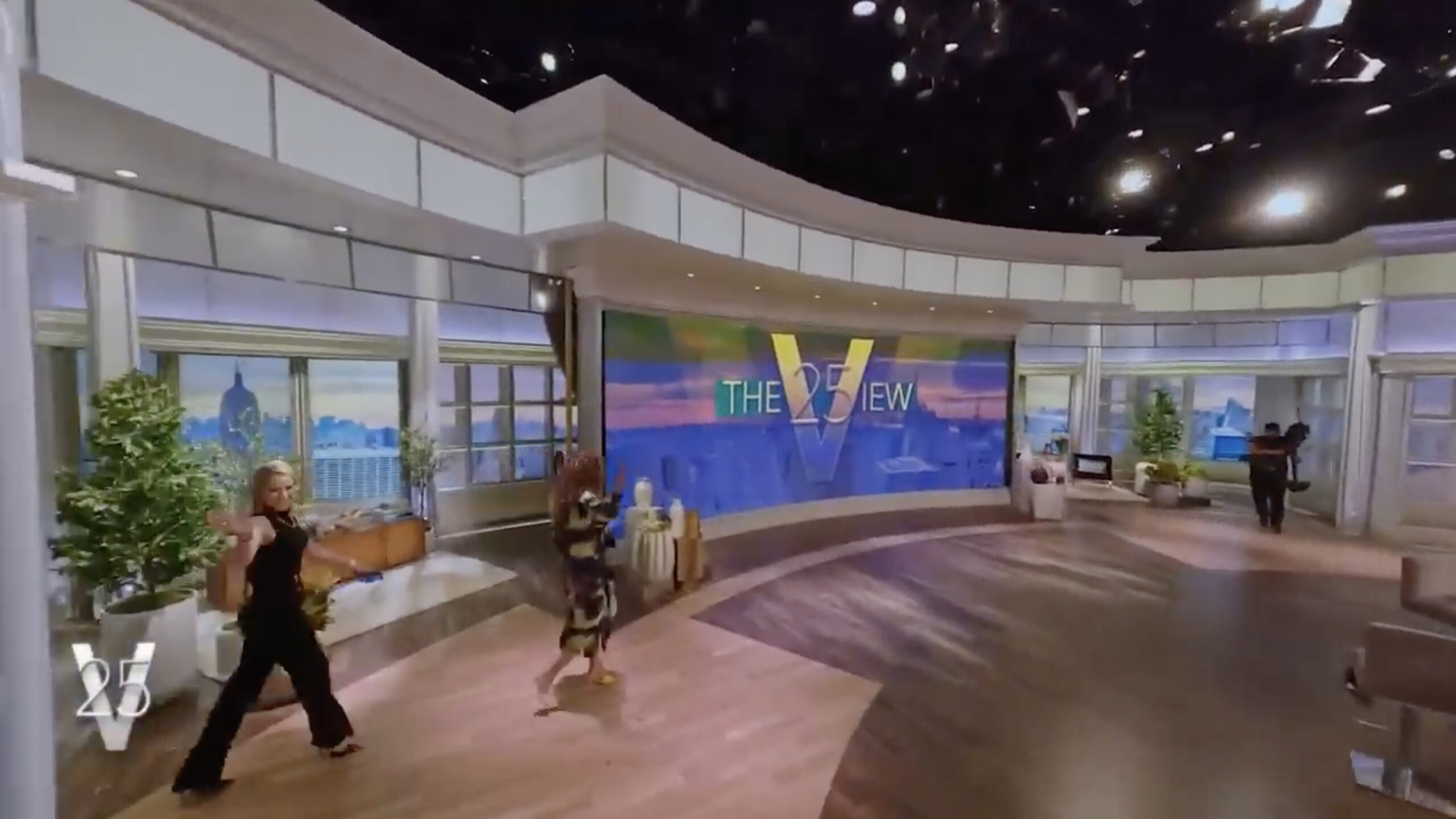
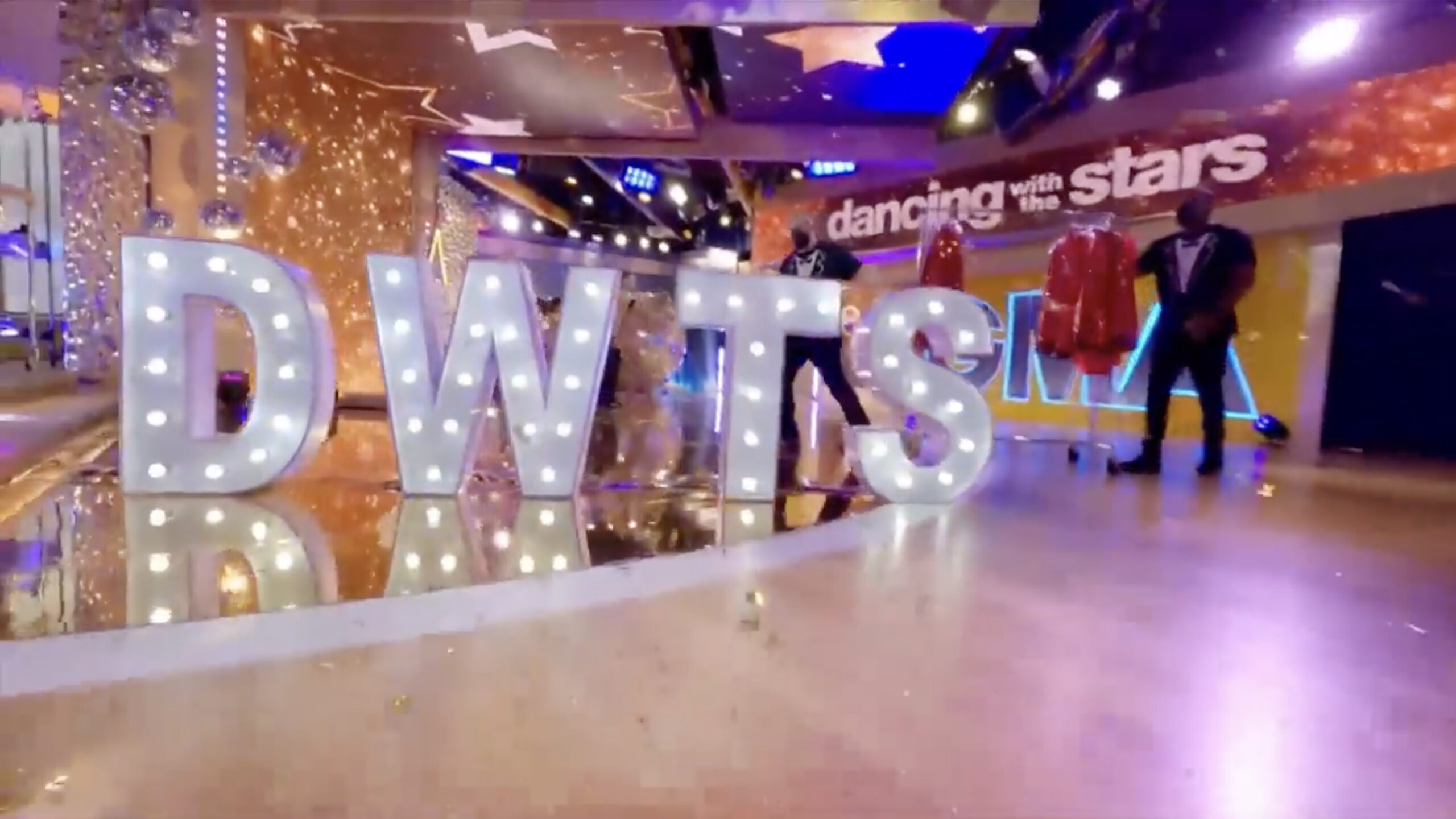
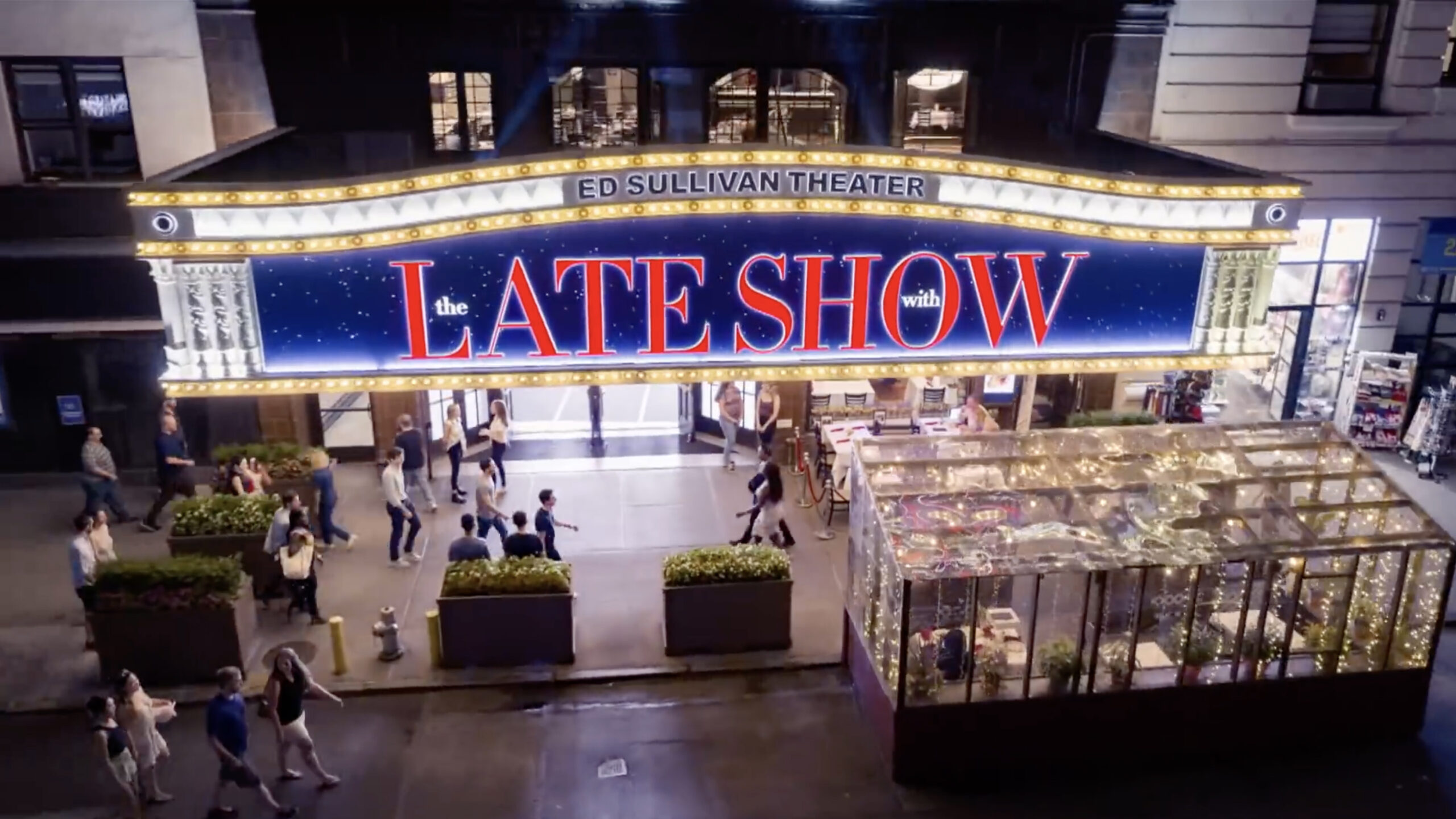
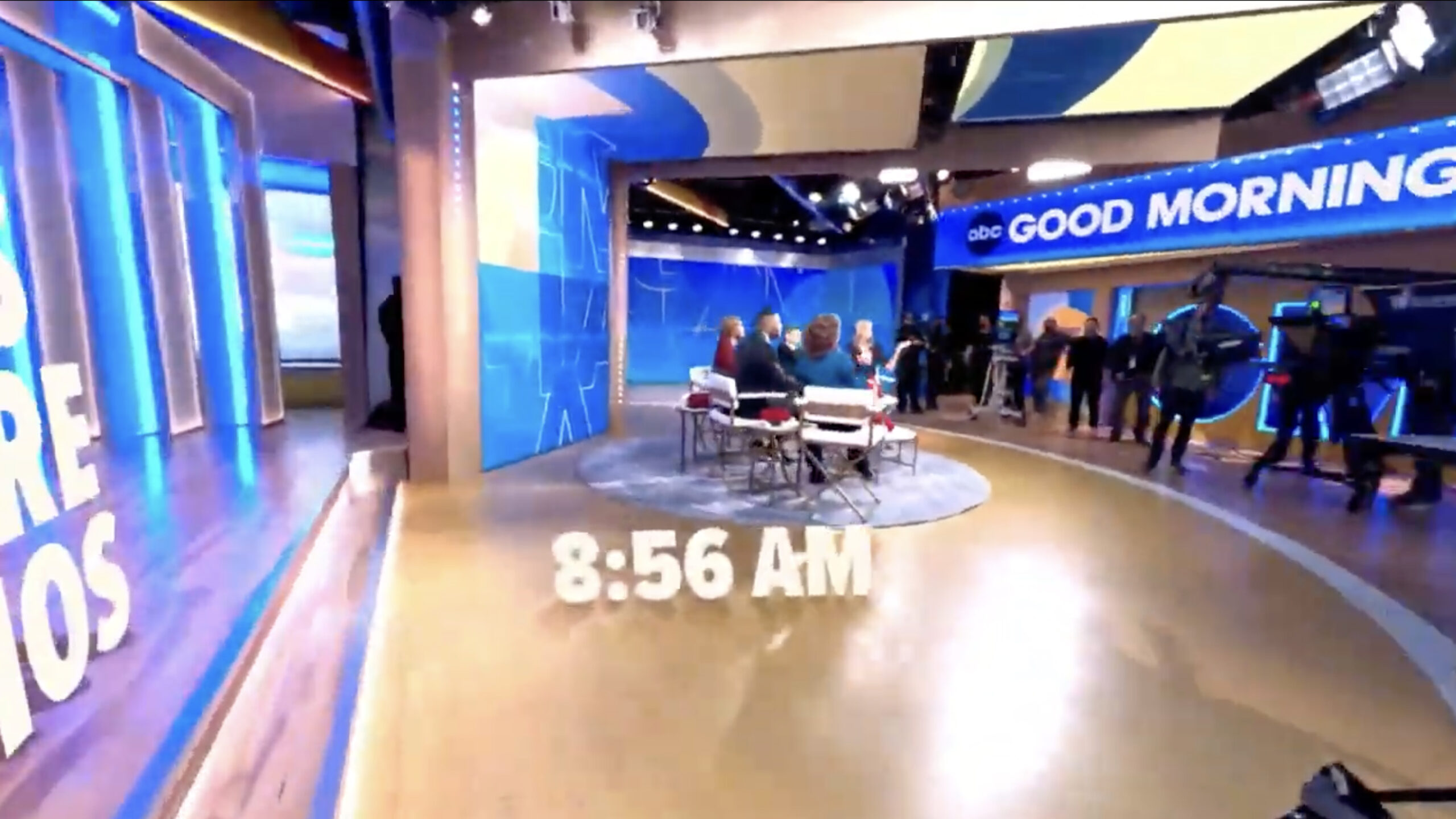
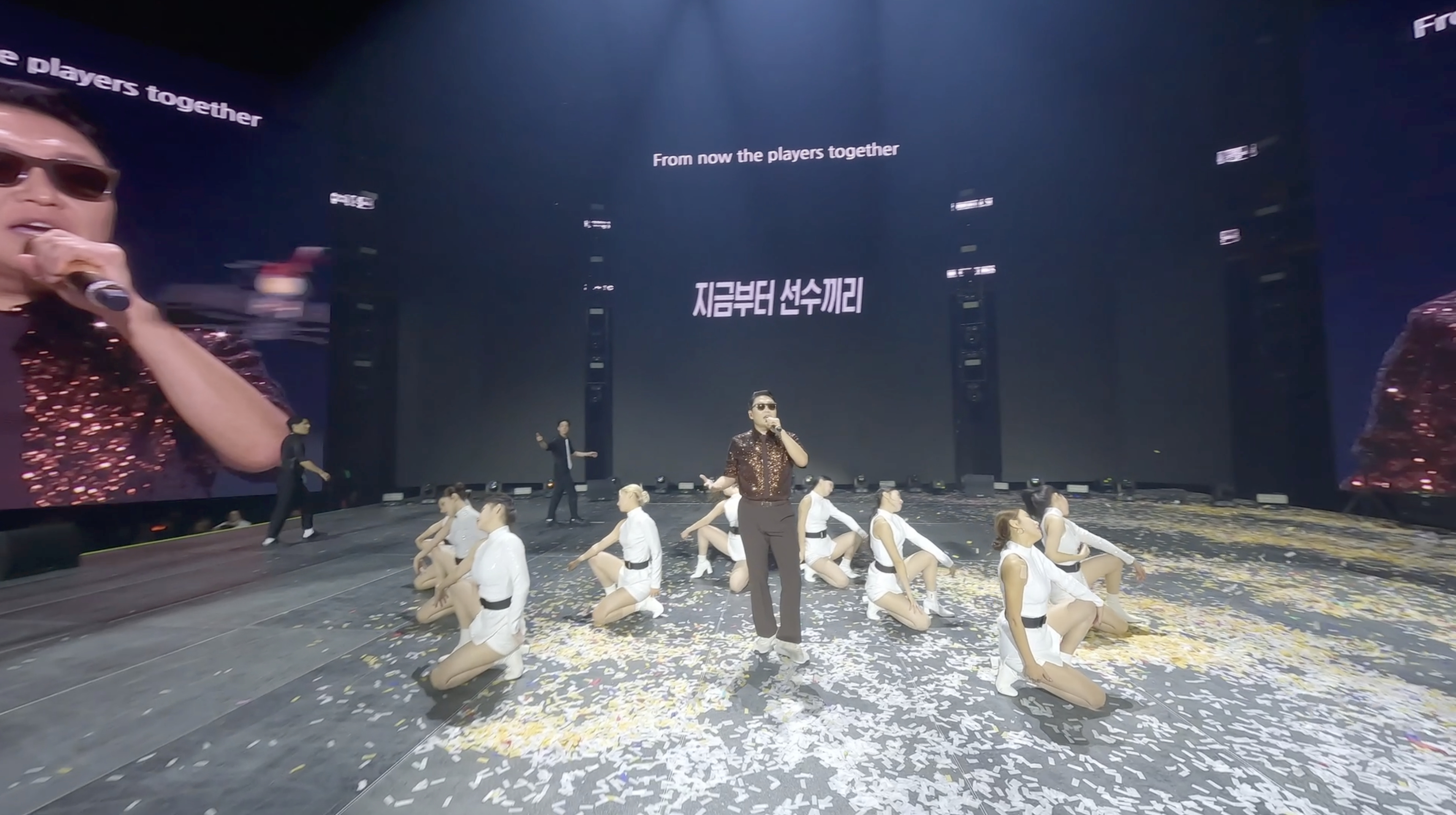
Xizmo Media’s FPV work has appeared on Back to the Future on Broadway, The View, Dancing with the Stars, and The Late Show, alongside behind-the-scenes coverage for Good Morning America and concert productions, part of the same track record behind our film and TV drone cinematography credits:
Frequently Asked Questions About FPV Drone Cinematography
What is FPV drone cinematography?
FPV drone cinematography uses a first-person-view piloted drone, flown from an onboard camera feed rather than a third-person monitor, to capture choreographed camera moves through and around a scene. On a production, the pilot rehearses a blocked flight path with the director and flies it live, in one continuous take, carrying a real cinema or action-camera payload.
How fast do FPV drones fly on a film set?
Our FPV airframes dive at freefall speed and accelerate to 100 mph in open air for chase and stunt sequences, then throttle down to a slow, stable crawl for a scripted walk-and-talk or a pass through a doorway. The speed is set to match the shot, not the drone’s ceiling.
Can FPV drones film indoors or in confined spaces?
Yes. A lighter FPV frame carrying a GoPro-class payload can thread through hallways, stairwells, and backstage corridors that a full-size cinema drone can’t enter. We’ve flown this kind of confined-space FPV work backstage for Back to the Future on Broadway.
What cameras can an FPV drone carry?
Payload ranges from a GoPro on the light end to an ARRI Mini on a heavier frame, when footage needs to intercut with ARRI or RED coverage from the ground unit. Lens, ND filtration, and gimbal damping are set to match the rest of the camera package before the drone leaves the ground.
Are your FPV pilots licensed and insured?
All Xizmo Media FPV pilots fly under FAA Part 107, and we carry the waivers and production insurance a set, stage, or venue requires before FPV work is cleared. Indoor and theater flights follow an additional safety plan built around the venue’s own fire marshal and house rules.
Ready to Fly FPV on Your Production?
Tell us about the scene, the space, and the camera package you’re cutting against, and we’ll build the FPV package to match.